But I’m not doing this for health reasons – but for time management issues.
These days, I often go from one meeting to another, and I barely have time to head off to the restroom. So… cutting back on coffee saves me that particular time!
Our world has truly sped up since “supposedly” time-saving inventions like the Internet and cell phones!
Ironically, these time-saving devices have become our time-gobbling devices instead.
Rinpoche says we have a need to compulsively cram our lives with a myriad of unimportant activities, leaving little time to confront what really matters.
Time Saving Tool 1: Make a “what matters most” to-do list.
Edit down your to-do list to a “what matters most” to-do list by tapping into The Pareto Principle, an 80/20 rule which says 20 percent of your habits and effort leads to 80 percent of results and enjoyment.
Every time you look at your to-do list of responsibilities, ask yourself which ones are your 80 percent not-so-important time-clutterers.
Take some time to write out your “Top 10 What Matters Most” list, and keep this in your wallet to look at regularly.
This list could include: spend more time with loved ones and do your “signature strengths.”
A hint for where to edit your 80 percent factor:
According to a 2007 study, the average person spent two and a half to four hours a day watching TV – the equivalent of a part time job. Yikes!
If you’re unclear where all your time is going, start keeping an hourly time journal. The way some people keep track of what they eat in a day, keep track of how you gobble up time in a day.
Time Saving Tool 2: Stop wasting time wanting what others have.
You can always save a lot of time in your day by making sure you’re doing what you need to do to stay on your true path – and follow your soul’s yearnings instead of following the crowd!
Psychologist Dan Gilbert calls this poisonous envy “stepping on the Hedonic Treadmill,” where you’re always looking at what others have, seeking more and more, spinning your wheels and getting no life satisfaction.
Know this now: The grass is always greener on the other side – until you get there and see it’s AstroTurf. Symbols are never reality.
Someone might have amassed material success and fame, but that doesn’t mean they’re happy.
As a result, if you follow what you see someone else doing, it doesn’t mean you’ll be happy either.

Time Saving Tool 3: Cut back on buying so many things!
Own less. Be More.
Not only will shopping less save you time and money, it will create a positive ripple effect throughout your life.
You’ll soon find that you’re more discerning about what you allow into your life in other areas, like choosing better foods and relationships.
Plus that age-old expression “money doesn’t buy you happiness” has been backed up by modern research.
Fascinating study:
Gilovich and Leaf Van Boven of the University of Colorado reported that students became much happier after taking vacations with friends, more than after purchasing material possessions.
Their reasoning:
Whereas objects fade in appreciation, experiences improve appreciation because people tend to embellish and remember experiences better than they were.
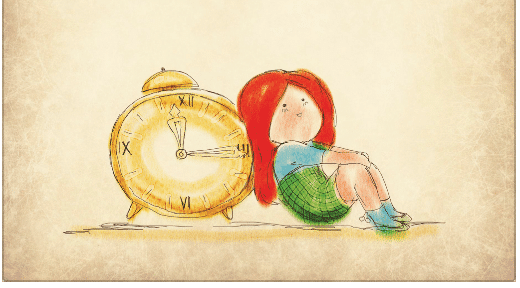 Time Saving Tool 4: Stop wasting time obsessing about the past or fearing the future.
You can save a lot of time in your day by mastering your negative thinking.
I call this “shrinking negativity into nuggetivity”!
Your new goal:
Only allow yourself to think negative thoughts for three minutes, three times a day.
Not only will you save many hours wasted on negative thinking and whining, you’ll also find when you stop spending energy on worry, fear and complaining, you’re better able to stay positively focused on finding solutions and more likely to attract positive results.
The main reason why hindsight comes with 20/20 vision is that when everything is done, you’re no longer distracted by negative, fearful emotions. Removing this emotional static is like getting cable hookup. Not only is the picture of your life clearer, you have more viewing options.
The more perspectives you have, the better a shot you have at finding the right path to getting what you want and locating your misplaced miracle.
Time Saving Tool 5: Go on a no-nuts diet. Stop wasting time with nutty people!
Stop spending time with nutty people who drain you of energy and distract you from living at your highest potential. ‘Nuff said.
Stay happy—no matter how much life throws at you – with the research-backed happiness tools in THINK HAPPY! Boost your confidence, attitude, and mood with this powerful and thought provoking collection of short essays and happiness strategies.



 In The Tibetan Book of Living and Dying, author Sogyal Rinpoche writes about a Western tendency of “active laziness.”